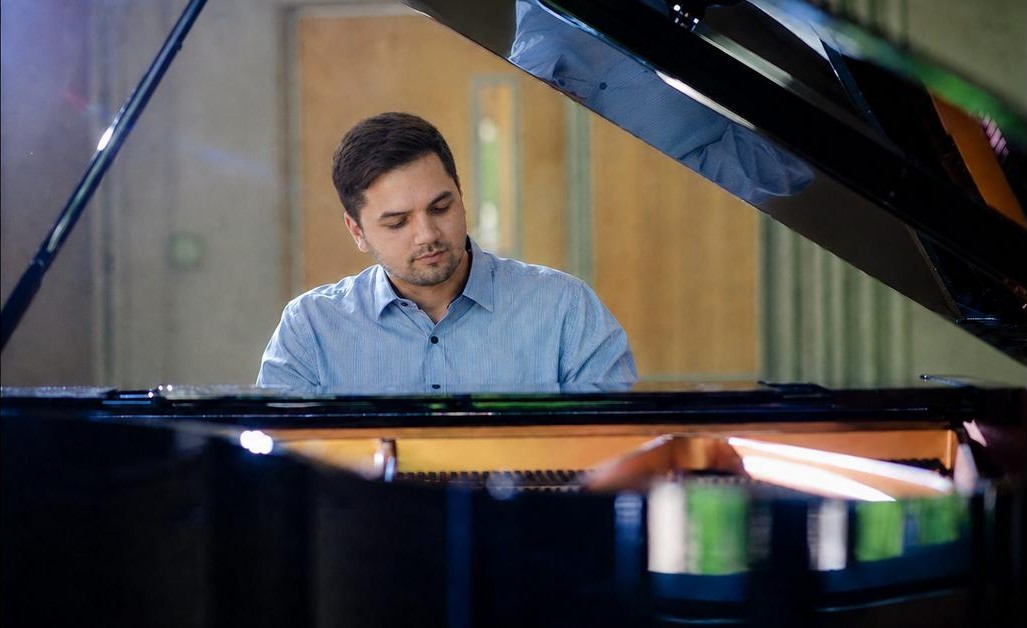
You recognize the song immediately. Your hands find the opening, then hesitate at a change you used to play without thinking. Remembering how the music should sound can make that hesitation especially frustrating.
I taught returning players through Guitar Center from 2017 to 2024. In my adult piano lessons and adult guitar lessons today, I listen for the parts that still feel familiar and where the connection breaks down. We can start with a short passage or an improvisation, then choose one movement to rebuild. That gives your previous experience a place in the lesson without making your old level a demand you have to meet.
What should you bring to your first lesson back?
Bring one thing you used to play and one thing you'd like to play now. An old piano book, a recording, a chord chart or the name of a song is enough to start the conversation. You don't need a finished performance of either piece.
Tell me what made you stop, and share only what you're comfortable sharing. If work crowded music out, the new assignment needs to fit around the workweek you have now. If you disliked the music you were assigned, that matters when we choose something to play again.
In a first lesson with a returning piano or guitar player, I ask what they last enjoyed playing and listen to what comes back. Sometimes I use a short improvisation or songwriting exercise to get their hands comfortable again. That gives us another way to hear what feels natural when an old score or a remembered song feels difficult.
There's no need to rehearse until you feel ready to be heard. Bring the place where you stop or lose your way, too. Hearing that moment helps me choose something useful to work on with you.
How can you find your starting point without testing everything?
Take a short section slowly and notice what happens. You might hear the next note clearly while needing time to find it, or read the notes comfortably while losing the pulse. Those are different problems, and they call for different work.
For example, imagine returning to a piano piece whose melody feels familiar while the left-hand pattern keeps slipping. Play each hand separately for two measures, then try them together more slowly. If each hand works alone, we have a specific coordination question to explore before assigning pages of easier music.
On guitar, a chord shape might come back immediately while the move into the next chord interrupts the strumming. We can keep those two chords and simplify the rhythm while looking at the change. Previous experience gives us material to investigate, even when some foundations need attention again.
A first-time learner is discovering those sounds and movements for the first time. A returning player has a history with them, although the details need checking. I wouldn't assume either that everything is gone or that an old piece should be easy today.
What should the first week of practice look like?
Choose a section small enough that you can name its sticking point. Here's a restart exercise you can try in one sitting with two measures of familiar music. Stop sooner if anything feels uncomfortable, and don't force a movement that hurts.
Play the two measures once at an easy pace. Choose one interruption you noticed, such as a left-hand entrance or a guitar chord change, and isolate just that movement. Try it up to three times slowly, leaving room to reset your hands between attempts.
Then play the two measures again and stop the exercise. Write one sentence about what happened: “The chord arrives if I leave out the extra strum,” or “Each hand works alone; together I lose the second beat.” You now have something specific to bring to a lesson, whether or not the passage improved in that sitting.
Choose your next chance to play around an ordinary part of your week. Leave the book open to the section or keep the chord chart nearby so the next attempt is easy to begin. If you want to play something familiar afterward, enjoy it without turning the whole session into another test.
Should you return to the same instrument?
You can return to the instrument and change what you do with it. Piano might interest you now because you want to accompany your voice, while guitar might mean learning songs with friends. Those interests deserve a place in the lesson even if your previous study followed a different direction.
You can also choose a different instrument. Tell me which part of making music you miss and which part you're curious about now. That conversation helps us choose material you have a reason to return to.
How will you know the lessons are helping?
After a lesson, you should understand the assignment well enough to try it at home. You might know which two chords to connect, which hand to practice separately, or what to listen for when the phrase starts rushing. A polished song can wait while that instruction becomes usable.
If an assignment keeps expanding beyond the time you have, ask me to narrow it. If the music no longer interests you, say that as well. We can change the material while keeping attention on the musical problem we're working through.
Where can you take the next step?
Find one piece you remember enjoying and mark a short section you'd be willing to try. Add the name of something you'd love to play now, even if it sounds far beyond where your hands are today. Bring both, along with the question your short attempt raised.
You can read about adult piano lessons or adult guitar lessons for your instrument. When you're ready to book an intro lesson, tell me which passage you tried and what happened. You can bring a half-remembered opening or a chord change that still stops the rhythm. That's enough material to start choosing the work for your first week back.