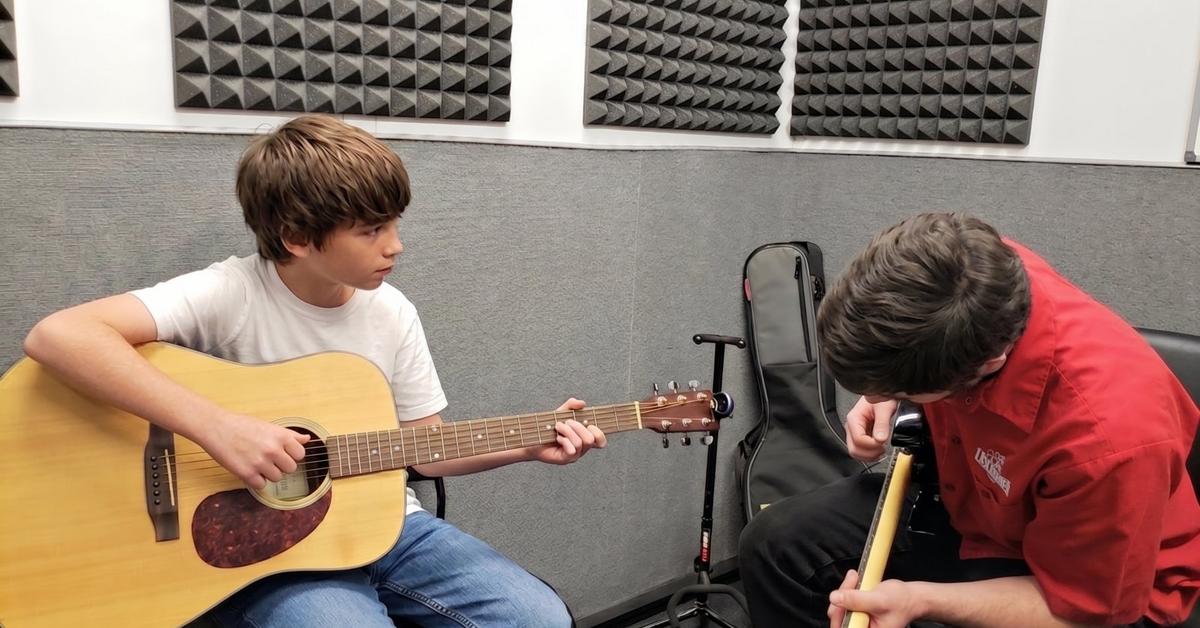
If your child freezes whenever the page is not telling them exactly what to play, improvising can feel like a scary word. For a kid who is bored, perfectionistic, or stuck copying notes without really hearing music, a little improvising can make lessons feel alive again.
The real decision: more reading, more songs, or more creating?
Most parents notice the problem as a practice issue. Your child avoids the bench, rushes through the assignment, or only plays the easy part. The real question is usually not whether they need stricter practice. It is which kind of musical work will get them engaged again.
Three honest options
- More reading: useful when your child likes structure and is ready for clearer note patterns, but frustrating if every page feels like a test.
- More favorite songs: great for motivation, but it can still become copying if the lesson never asks them to listen, choose, or create.
- A small amount of improvising: best when your child needs confidence, ownership, and a safer way to play before everything is perfect.
What improvising actually looks like for a beginner
It can be as simple as choosing three notes and making a question and answer. It can be changing the rhythm of a scale. It can be playing a left hand pattern while the right hand explores. It can be making a tiny ending to a song instead of stopping exactly where the book stops.
That kind of work still teaches timing, listening, touch, chords, melody, and form. The difference is that the student has to make one musical decision instead of only following instructions.
When improvising helps most
- Your child says lessons are boring but still likes music outside the lesson.
- They panic when they make mistakes and need a lower pressure way to keep playing.
- They learn well by ear or like figuring songs out before reading every note.
- They want to write songs, play pop music, make beats, or understand chords.
- They can play the assignment, but it sounds mechanical and disconnected.
When it should not replace fundamentals
Improvising is not a reason to skip reading, rhythm, technique, or careful practice. If a teacher only says "just feel it" and never gives your child tools, that is not enough. A good lesson connects creative playing back to names, patterns, counting, hand shape, and songs your child can recognize.
The point is balance. Reading gives structure. Songs give motivation. Improvising gives ownership. Most students need all three, but the ratio changes depending on the kid.
A simple test to try this week
Ask your child to pick any five notes and make a tiny melody that sounds like a question. Then ask them to make an answer. Do not correct every note. Listen for shape, rhythm, and whether they can repeat one idea on purpose.
If they light up, improvising probably belongs in their lessons. If they feel lost, they may need a teacher to give them smaller choices and clearer boundaries first.
My recommendation
For most kids, improvising should be part of lessons, not the whole lesson. Even five minutes can change the feeling of practice. It reminds a student that music is not only something to get right. It is something they can speak with.